
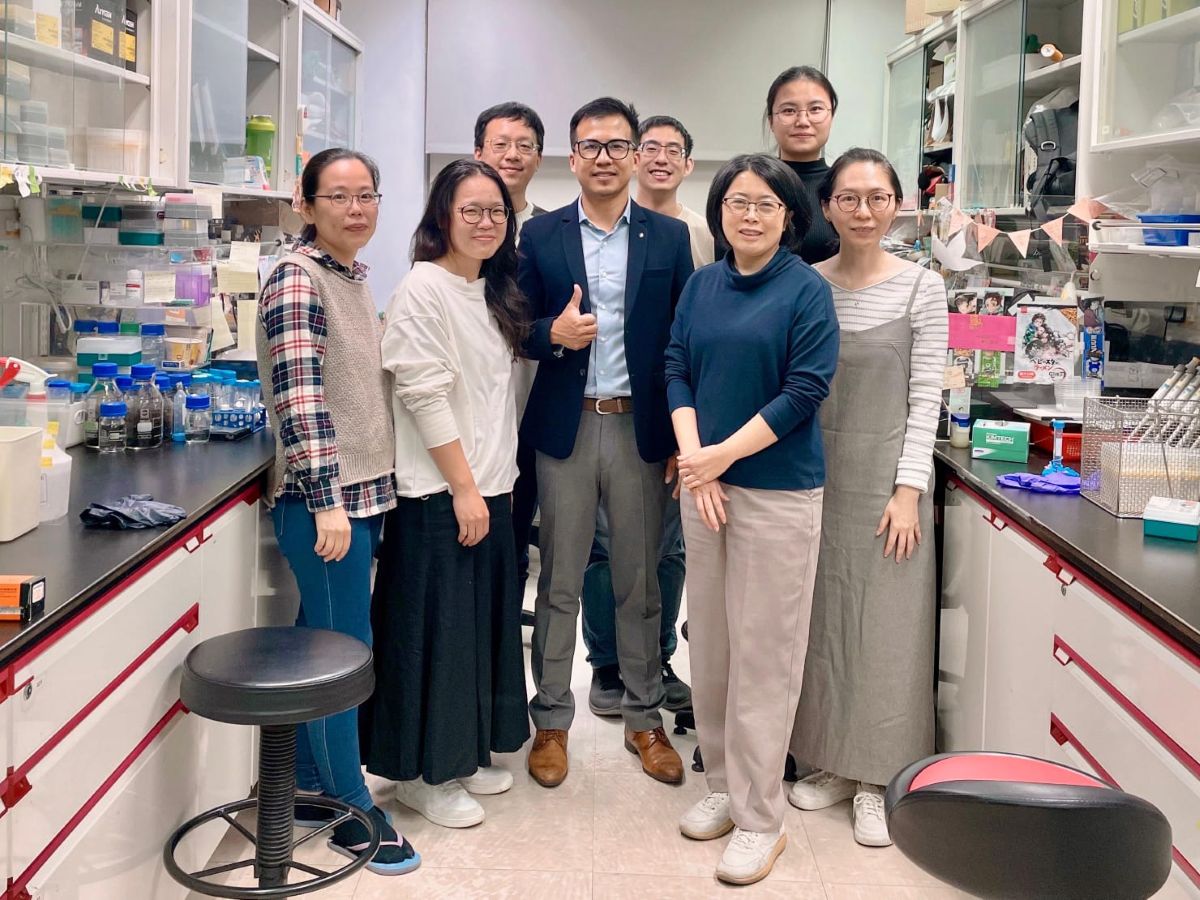
Dr. Puyam Tondonba Singh, a member of the “Manipuris in Taiwan” community, has achieved a significant milestone in agricultural research at Academia Sinica, Taiwan, under the guidance of Dr. Ho-Ming Chen. His work has been featured in the leading Taiwanese media outlet, “Focus Taiwan,” and published in the esteemed journal, Proceedings of the National Academy of Sciences of the United States of America (PNAS).
The research addresses Fusarium wilt, specifically the Tropical Race 4 (TR4) variant, which is one of the most destructive diseases affecting banana crops globally. TR4 poses a major threat due to its soil-borne nature, longevity in the environment, and potential to devastate Cavendish banana plantations. The economic implications of TR4 could reach around US$10 billion annually as it spreads through critical banana-producing regions. Due to the sterile triploid nature of most edible bananas, developing resistant varieties through traditional breeding methods is highly challenging.
Since the 1960s, Taiwan has been dealing with TR4 and has made significant advancements in developing resistant Cavendish banana variants through extensive field selection and tissue-culture techniques at the Taiwan Banana Research Institute (TBRI). In a breakthrough, Dr. Tondonba and his team linked TR4 resistance in Cavendish somaclonal variants to the loss of specific DNA segments that inhibit banana immunity. This discovery paves the way for selecting and engineering a new generation of bananas that exhibit resilience to TR4, offering a practical strategy for combating this agricultural crisis.
Dr. Tondonba has recently earned his Ph.D. from the Institute of Biotechnology at National Taiwan University (NTU), which is ranked 63rd globally according to QS World University Rankings. He currently serves as a postdoctoral researcher at Academia Sinica, supported by scholarships from the Taiwan Ministry of Education and NTU’s Outstanding Scholarship. His contributions have been recognized at international conferences, including a grant to present his findings at the Plant & Animal Genome Conference in San Diego, USA.
This collaborative effort not only underscores Dr. Tondonba’s pivotal role as a Manipuri scientist in addressing a pressing global agricultural issue but also emphasizes its relevance to food security and economies reliant on banana production. The work represents a proud achievement for the “Manipuris in Taiwan” team and the broader academic community associated with Manipur, deserving wider coverage to inspire audiences and highlight this remarkable accomplishment.