
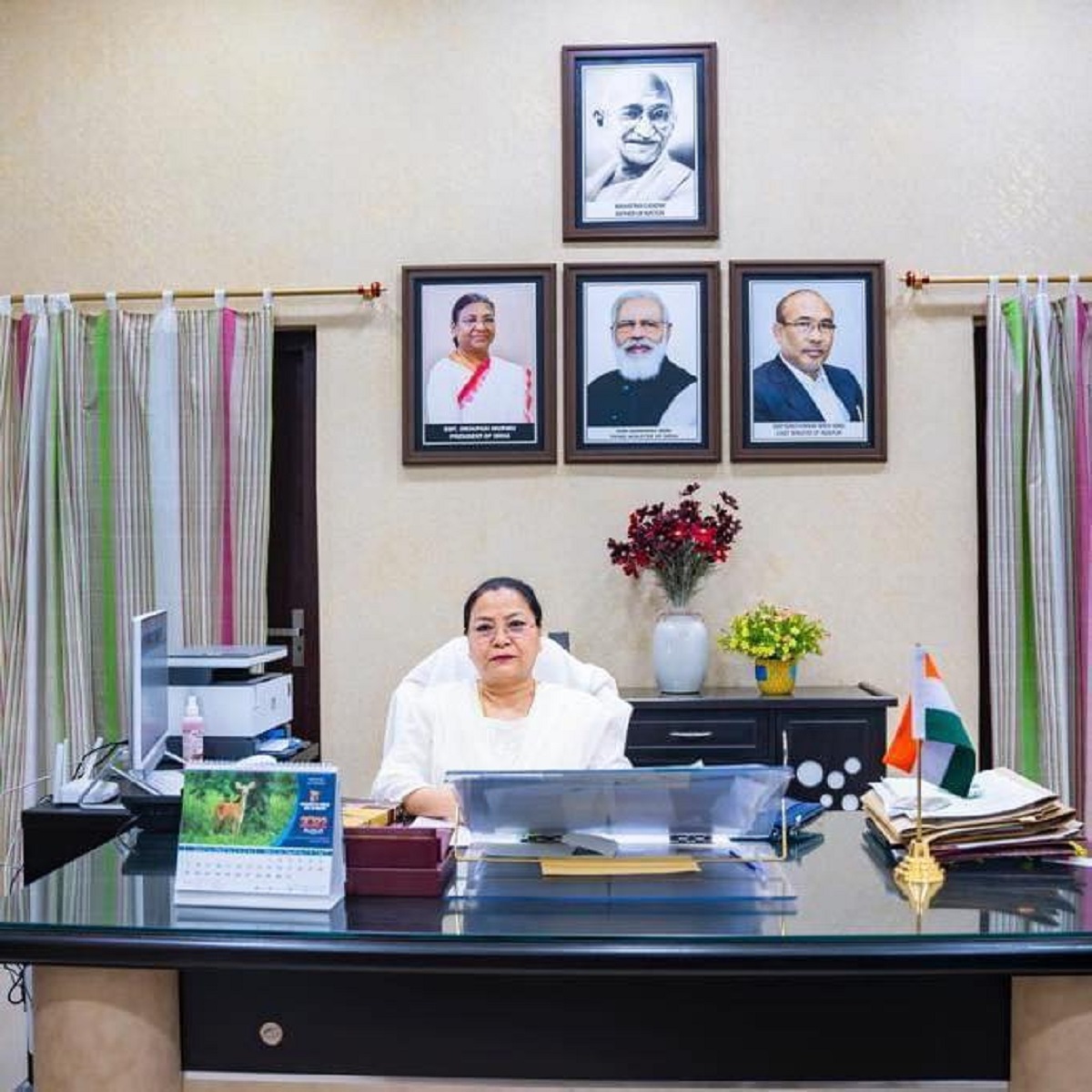
Nemcha Kipgen has highlighted the critical importance of dialogue, healing, and inclusive governance as means to bridge gaps between communities in Manipur, especially in the aftermath of significant conflict. She emphasizes that efforts towards rebuilding should extend beyond mere infrastructural repair, focusing instead on restoring confidence, dignity, and hope among the populations affected by violence. Acknowledging the profound loss of life and widespread destruction of homes, Kipgen has expressed her commitment to addressing the concerns of displaced individuals, particularly highlighting the plight of women, children, and the elderly, who represent the majority of those displaced.
In her role as a leader, Kipgen asserts her responsibility to represent the interests of tribal people collectively, rather than a single community. She advocates for unity, stating that integration is vital for fostering governance and peace. Her perspective aligns with that of Chief Minister Yumnam Khemchand Singh, who actively engages with citizens in areas that Kipgen cannot access due to security issues.
Reflecting on incidents of violence following her appointment, Kipgen considers this trend unfortunate, asserting that a political solution is imperative to mend both the physical and social rifts within the state. She views her participation in the government as essential, asserting that negotiations must involve the state administration to be effective, emphasizing that true leadership embodies a commitment to responsibility and public service rather than maintaining hierarchical privilege.
Kipgen’s initiatives have included direct involvement with displaced families, assisting many in returning from relief camps and addressing their immediate needs for food, clothing, and other essentials. Despite the provision of government rations, she noted that the demands often exceeded the basic aid given, compelling her to address these shortages with district and state authorities. Her collaborative efforts with the deputy commissioner have subsequently enhanced food supply chains and ensured consistent provisions of essential resources, including safe drinking water for affected communities.