
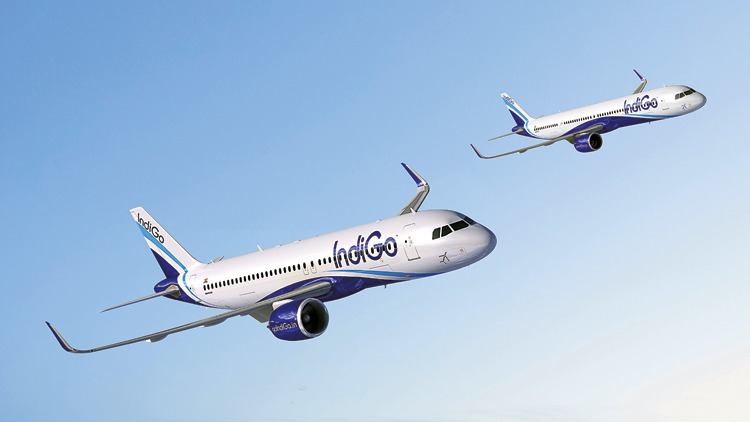
For years, IndiGo has been seen as India’s most operationally reliable airline, thanks to its scale, cost efficiency and strong execution. Its dominance reshaped domestic aviation, but with size comes responsibility. When a company becomes nearly indispensable, it is judged not just on profits or market share but on whether it can withstand systemic stress without passing the fallout onto the wider economy.
The past few days exposed the limits of IndiGo’s resilience. What occurred was far more than an operational hiccup—it was a widespread failure of preparedness and communication. Despite its reputation for clarity and efficiency, passengers saw apps showing “on time” even as airports displayed long delays. Alerts were missing across SMS, WhatsApp and the app itself.
Frontline staff absorbed the anger for decisions made far above them, while leadership and regulators escaped initial scrutiny. With over 300 cancellations and hundreds of delays nationwide, the disruption rippled through business travel, supply chains and worker mobility, imposing real economic costs.
The causes—new duty-time rules, a software update and winter fog—were all foreseeable, but poorly managed. India’s regulatory capacity has not kept pace with airline growth. The country may need to classify large carriers as “systemically important” and impose stronger oversight, continuity planning and communication standards.