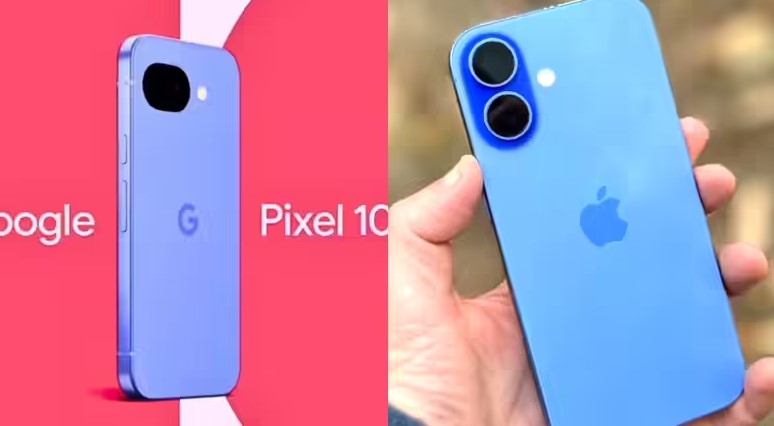
The battle for smartphone supremacy reaches a new peak as the Google Pixel 10a and Apple’s iPhone 16 go head-to-head, offering consumers two distinct visions of the modern mobile experience. While the iPhone 16 remains the gold standard for premium build quality and ecosystem integration, the Pixel 10a is positioning itself as a “flagship killer” by bringing Google’s most advanced artificial intelligence features to a more accessible price point. The iPhone 16 features the powerful A18 chip, ensuring lightning-fast performance and long-term software support, while the Pixel 10a counters with the new Tensor G5, which is specifically optimized for complex AI tasks like real-time translation, advanced photo editing, and automated call screening. In terms of photography, Apple focuses on natural color accuracy and professional-grade video recording, whereas the Pixel continues to dominate in computational photography, making it nearly impossible for a novice user to take a bad photo even in challenging low-light conditions. Design-wise, the iPhone 16 retains its iconic sleek aesthetic with the introduction of the versatile “Action Button,” while Google has refined the Pixel’s “Visor” look, opting for a more comfortable, rounded grip and vibrant color options. Battery life remains a toss-up, with Apple offering incredible efficiency through its tightly controlled hardware-software synergy, while Google provides a larger physical cell and faster charging speeds to keep power users satisfied throughout the day. For those deeply embedded in the Apple ecosystem with MacBooks and Apple Watches, the iPhone 16 is the logical, seamless choice; however, for users who prioritize smart software, a superior voice assistant, and a more flexible Android interface, the Pixel 10a offers a compelling alternative that punch well above its weight class. Ultimately, the choice between the two boils down to a preference between Apple’s polished, reliable “walled garden” and Google’s innovative, AI-first approach to daily utility.

Imphal