
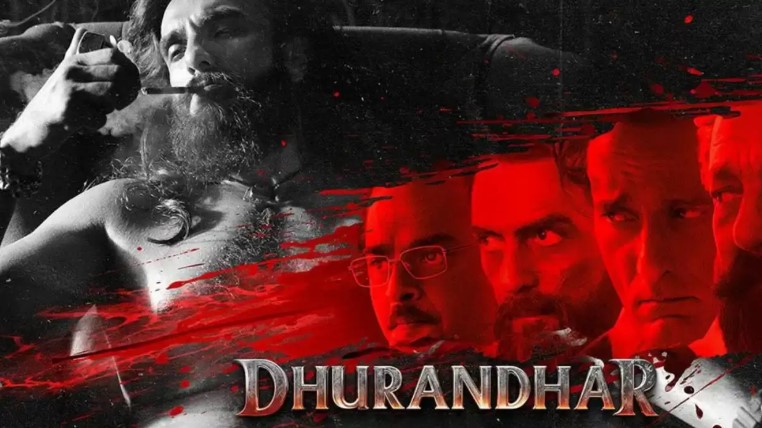
Following the historic box office success of its predecessor, Aditya Dhar’s sequel, Dhurandhar: The Revenge, has officially stormed into theaters, but not without leaving a trail of intense polarization in its wake. While the film is being hailed by a large section of the audience as a “masterpiece of modern action,” a growing chorus of critics and political commentators are labeling it a blatant piece of propaganda. The film, which features Ranveer Singh in a dual-layered performance as the undercover spy Jaskirat Singh Rangi (alias Hamza Ali Mazari), has pushed the envelope of “nationalist cinema” to an unprecedented level. Critics argue that Dhar has traded the subtle tension of the first installment for a more aggressive, high-decibel narrative that seems designed to pander to specific political sentiments. Central to this controversy is the film’s direct portrayal of real-world events, including a highly debated segment titled “Operation Green Leaf,” which many viewers interpret as an overt cinematic justification for the 2016 demonetization policy.
The “rage” mentioned by early reviewers isn’t just confined to Ranveer Singh’s explosive on-screen vendetta against Karachi’s underworld; it has spilled over into a heated digital war. Renowned social media critics and some opposition leaders have slammed the film for “vitiating the atmosphere” and using high-quality technical craft to validate political ideologies. They contend that the film’s four-hour runtime is less about character development and more about hammering home a “hyper-nationalist” agenda, where the lines between historical fiction and political advertisement are dangerously blurred. Despite these accusations, the film’s commercial momentum remains unstoppable, having shattered records with a staggering ₹100 crore opening day. Supporters of the film argue that Dhar is simply reflecting a “New India” that is unapologetic about its security interests and that the “propaganda” label is merely a tool used by those who cannot handle a film that celebrates indigenous strength and bold policy moves.
As Dhurandhar 2 continues to dominate both the box office and the news cycle, the debate it has sparked raises fundamental questions about the role of the filmmaker in a democracy. Is Aditya Dhar a visionary artist capturing the zeitgeist of a nation, or has he become the primary architect of a new genre of “propagainment”? While Ranveer Singh’s career-best performance and the film’s staggering scale are undeniable, the underlying messaging remains a point of deep contention. For some, it is an inspiring saga of a hero sacrificing everything for his motherland; for others, it is a disturbing example of how cinema can be weaponized to reshape public memory. Regardless of which side of the divide one stands on, one thing is certain: Dhurandhar: The Revenge has ensured that the conversation around Indian cinema will never be just about entertainment again.